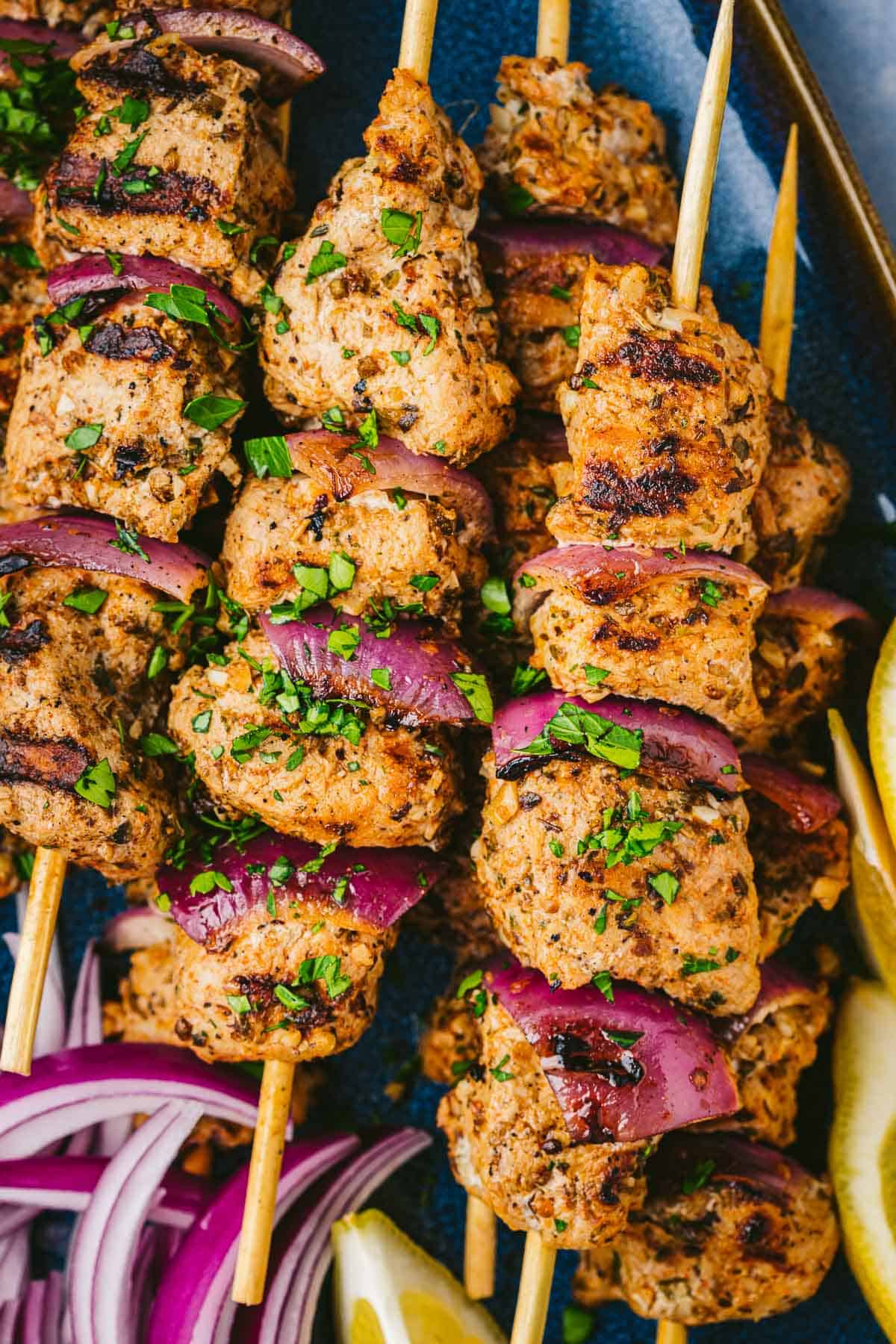
Imagine sinking your teeth into tender, juicy pieces of pork, infused with the bright, aromatic flavors of the Mediterranean. That's the magic of authentic Greek pork souvlaki. Far from being a complicated culinary endeavor, this classic dish is surprisingly simple to master, promising a taste of Greece right in your own kitchen. Whether you're a seasoned grill master or just looking for a straightforward, crowd-pleasing meal, our easy, authentic pork souvlaki recipe is designed to deliver perfectly seasoned skewers every time.
At its heart, Greek pork souvlaki is a celebration of quality ingredients and time-honored techniques. It’s all about succulent pork, marinated in a fragrant blend of garlic, herbs, olive oil, and a touch of acidity, then grilled to perfection until lightly charred and bursting with flavor. Forget bland, dry skewers; this recipe ensures your pork remains incredibly juicy, a testament to proper marination and careful cooking. Get ready to elevate your dinner game with these unforgettable tender, juicy skewers.
The Secret to Unforgettable Pork Souvlaki: The Marinade
The soul of truly authentic Greek pork souvlaki lies in its vibrant marinade. This isn't just a quick coat; it's a transformative soak that tenderizes the meat and infuses it with those signature Mediterranean flavors. While various recipes exist, the core elements remain consistent: good quality extra virgin olive oil, fresh lemon juice, potent garlic, and aromatic dried Greek oregano. A splash of white wine vinegar is often included, adding another layer of tang and aiding in the tenderization process.
Here’s a breakdown of the key marinade ingredients and why they’re essential for the best pork souvlaki:
- Extra Virgin Olive Oil: The cornerstone of Greek cooking. It carries the flavors deep into the meat, helps prevent sticking on the grill, and contributes to a beautiful crust. For the best flavor, don't skimp on quality here. If unavailable, a high-smoke-point avocado oil works well, maintaining that bright flavor profile.
- Fresh Lemon Juice: This provides crucial acidity, which not only brightens the meat's flavor but also works to tenderize the pork by subtly breaking down its fibers. Always opt for fresh over bottled lemon juice for superior taste. A splash of lime juice can offer comparable acidity if needed.
- Garlic: Pungent and aromatic, fresh minced garlic is non-negotiable. It provides a foundational savory note that defines Greek pork souvlaki.
- Dried Greek Oregano: This isn't just any oregano; Greek oregano has a particularly robust, earthy, and slightly peppery flavor profile that is essential for authenticity. Penzeys dried oregano is a great choice and offers excellent herbaceous depth. Use about one-third the amount if using fresh oregano, as dried is more concentrated.
- White Wine Vinegar: Similar to lemon juice, vinegar adds acidity and contributes to the tenderization process, resulting in truly juicy pork. It also provides a subtle tangy counterpoint to the richness of the pork.
- Salt and Freshly Ground Black Pepper: Basic seasonings are vital for enhancing all the other flavors.
Marination Time: A Key Factor for Flavor and Tenderness
While some quick recipes suggest a mere 30-minute marinade, and indeed, even this short time can impart a wonderful flavor, for truly traditional Greek pork souvlaki that’s incredibly tender and deeply flavored, aim for longer. Ideally, let your pork cubes soak in the marinade for at least 4 hours, and preferably overnight (8-12 hours) in the refrigerator. This extended period allows the acids to work their magic, tenderizing the meat, and gives the herbs and spices ample time to penetrate every piece. If you're pressed for time, don't despair! A quick 30-minute marinade, as detailed in our guide Chef-Worthy Grilled Pork Souvlaki in 30 Mins: Juicy Skewers, can still yield incredibly flavorful and juicy results.
Choosing the Best Pork for Tender Souvlaki Skewers
The type of pork you select significantly impacts the tenderness and juiciness of your finished souvlaki. While some recipes might suggest leaner cuts, for authentic, melt-in-your-mouth pork souvlaki, pork shoulder (also known as pork butt) is undeniably the champion. Here's why:
- Marbling: Pork shoulder is wonderfully marbled with fat. This intramuscular fat renders down during cooking, keeping the meat incredibly moist and adding immense flavor. Leaner cuts tend to dry out quickly on the grill, resulting in tough skewers. Look for cuts with a good pinkish-red hue and visible, firm layers of fat.
- Connective Tissue: While pork shoulder does have some connective tissue, the marinating and cooking process helps to break it down, transforming it into gelatin and contributing to the pork's tender texture.
- Flavor: The fat content also contributes to a richer, more robust pork flavor that stands up beautifully to the assertive Greek marinade.
Preparing Your Pork
Once you've selected a well-marbled pork shoulder, it's time for preparation. Cut the pork into uniform 1-inch (2.5 cm) cubes. Uniformity is key here for even cooking. Trim any large, excess pieces of connective tissue, but leave a slight fat cap or some smaller fat pockets. These will render beautifully on the grill, basting the meat and ensuring the skewers stay tender and flavorful.
Grilling or Baking Your Pork Souvlaki to Perfection
The cooking method plays a crucial role in achieving that perfect balance of crispy edges and juicy interiors characteristic of great pork souvlaki. Grilling is the traditional and preferred method, but baking or using a grill pan are excellent alternatives.
Grilling for Authentic Char and Flavor
For charcoal or gas grills:
- Preheat: Heat your grill to medium-high heat (around 400-450°F or 200-230°C).
- Skewer the Pork: Thread the marinated pork cubes onto skewers. If using wooden skewers, remember to soak them in water for at least 30 minutes prior to prevent burning. Don't pack the meat too tightly; leave a little space between pieces for even cooking and charring.
- Grill: Place the skewers on the hot grill. Cook for about 2-3 minutes per side, turning them every few minutes, until all sides are nicely browned and slightly charred. The goal is to develop that irresistible smoky flavor and crispy exterior while keeping the inside tender.
- Check Doneness: The internal temperature of the pork should reach 145°F (63°C). Use an instant-read thermometer to ensure perfect doneness without overcooking. Once removed from the grill, allow the pork to rest for 5 minutes; this helps the juices redistribute, ensuring maximum tenderness.
Baking for an Easy Indoor Option
If grilling isn't an option, you can still achieve fantastic pork souvlaki in your oven:
- Preheat: Preheat your oven to 400°F (200°C). For best results, use the broiler setting for the last few minutes.
- Prepare Skewers: Thread the pork onto skewers as you would for grilling.
- Bake: Arrange the skewers on a baking sheet lined with foil (for easy cleanup) or a wire rack set over a baking sheet. Bake for 15-20 minutes, flipping halfway through, until the pork is cooked through and lightly browned.
- Broil for Char: For that desirable char, finish the skewers under the broiler for 2-3 minutes per side, watching carefully to prevent burning.
Regardless of your cooking method, remember that the goal is a beautiful golden-brown exterior with a moist, succulent interior. Overcooking is the enemy of juicy pork souvlaki!
Serving Your Authentic Greek Feast
A plate of pork souvlaki is a complete sensory experience, traditionally served as part of a vibrant Greek meal. While the skewers themselves are the star, the accompaniments elevate it into a true feast.
- Warm Pita Bread: Soft, warm pita is essential for scooping up the tender pork and soaking up all those delicious juices. Lightly grill or warm your pita bread in a dry skillet or oven just before serving.
- Creamy Tzatziki: This cooling cucumber and yogurt dip is the perfect counterpoint to the savory pork. Its refreshing tanginess is indispensable. If Greek yogurt is scarce, a plain dairy-free yogurt can maintain a creamy tzatziki base.
- Fresh Tomatoes and Red Onion: Sliced ripe tomatoes and thinly sliced red onion add freshness, sweetness, and a pleasant bite.
- French Fries: Often served inside the pita with the souvlaki and tzatziki, adding a fun, satisfying crunch.
- Kalamata Olives and Feta Cheese: A sprinkle of briny Kalamata olives and crumbled feta cheese adds an extra layer of authentic Greek flavor.
Meal Prep and Leftovers
This recipe is also great for meal prepping! Store leftover skewers in an airtight container for up to 4 days in the refrigerator. They reheat beautifully on the grill or in a hot oven, though often taste great cold in a salad too. Tzatziki remains fresh for about 5 days in the fridge, and pita bread can be wrapped in foil to retain its softness for several days. For future meals, you can even freeze extra marinated pork cubes for up to 3 months.
Bringing authentic Greek pork souvlaki to your table is simpler than you might think. With good quality ingredients, a flavorful marinade, and mindful cooking, you can easily create tender, juicy skewers that transport your taste buds straight to the sun-drenched shores of Greece. Enjoy the process, savor the aromas, and delight in the incredible flavors of this beloved classic!
