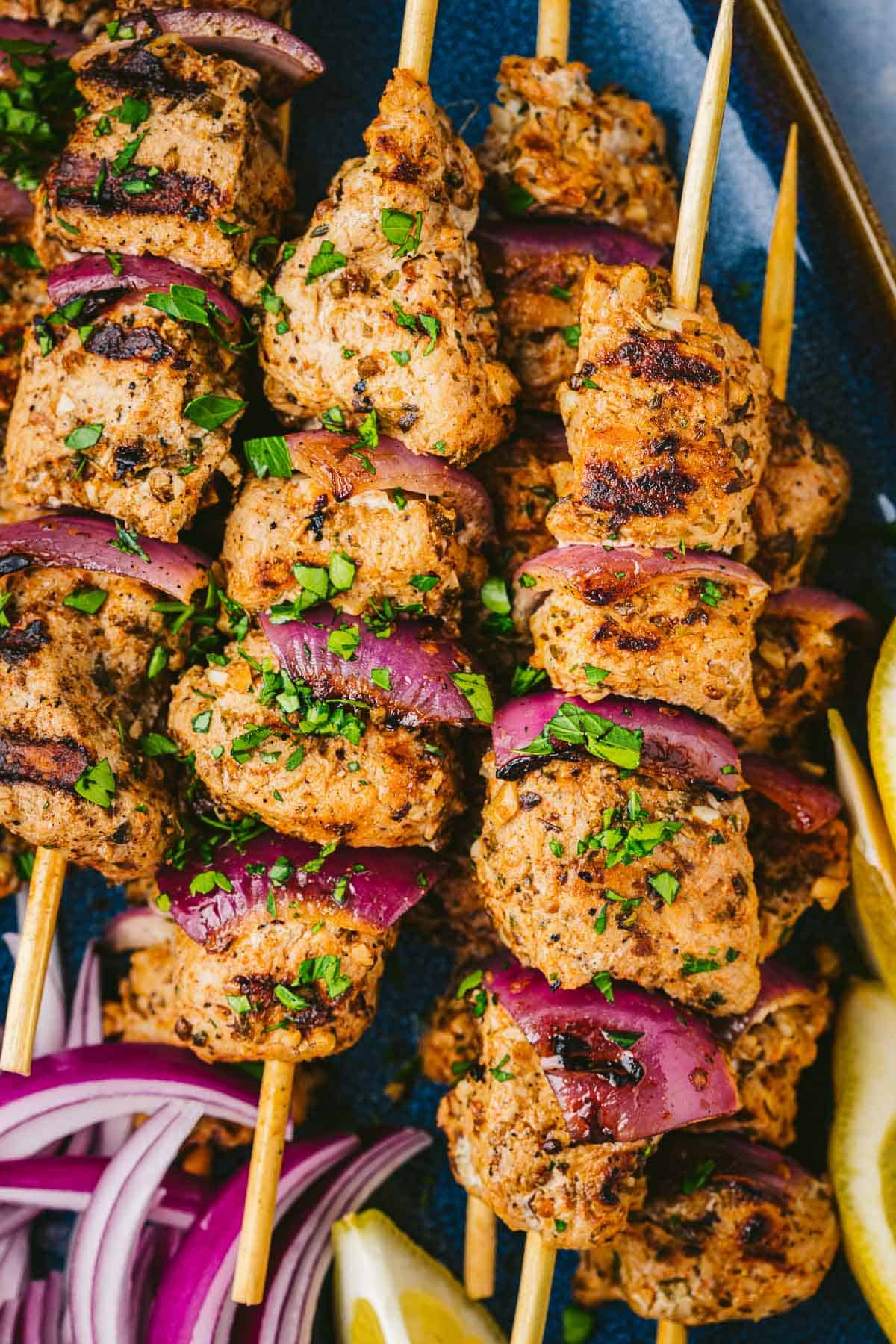
Unlocking Authenticity: Why the Marinade is Key for Traditional Pork Souvlaki
Few dishes evoke the warmth and vibrant flavors of Greece quite like
pork souvlaki. These iconic grilled skewers, celebrated for their tender, juicy meat and irresistible aroma, are a staple of Greek cuisine. While the simplicity of souvlaki might suggest a straightforward approach, the true secret to its unparalleled taste lies in one crucial element: the marinade. It’s this carefully balanced blend of simple, high-quality ingredients that transforms ordinary pork into a culinary masterpiece, infusing every bite with that authentic Mediterranean character.
Forget complicated techniques; mastering
pork souvlaki is all about respecting the ingredients and allowing them to work their magic. The marinade isn't just about adding flavor; it's a vital tenderizing agent, a moisture lock, and the very soul of the dish. Whether you're a seasoned grill master or just starting your culinary journey, understanding the nuances of the souvlaki marinade will elevate your home cooking and bring a true taste of Greece to your table.
The Essential Elements: Crafting Your Perfect Pork Souvlaki Marinade
A truly authentic
pork souvlaki marinade is a symphony of Mediterranean flavors, where each ingredient plays a critical role in achieving the desired tenderness, moisture, and aromatic profile. While recipes vary slightly, the core components remain consistent, rooted in time-honored Greek traditions.
Let's break down the heroes of the marinade:
- High-Quality Olive Oil: This isn't just a liquid base; it's the rich, fruity foundation that carries and distributes all the other flavors. Extra virgin olive oil is preferred for its robust taste, but if grilling at very high temperatures, a high-smoke-point avocado oil can be a suitable alternative, ensuring the flavor profile remains bright. The oil also helps keep the pork moist during grilling.
- Fresh Lemon Juice (or White Wine Vinegar): Acidity is paramount for tenderizing the pork. Lemon juice provides a bright, zesty tang that cuts through the richness of the meat, echoing the sunny Mediterranean climate. Alternatively, a good quality white wine vinegar or even a splash of lime juice can offer comparable acidity and a subtle, complementary depth. The acid also helps the marinade penetrate the meat more effectively.
- Generous Garlic: Minced fresh garlic is non-negotiable. Its pungent, aromatic notes are a cornerstone of Greek cooking, imparting a savory depth that is instantly recognizable. Feel free to be generous here – garlic mellows beautifully during cooking.
- Dried Greek Oregano: This is arguably the most characteristic herb in the pork souvlaki marinade. Its earthy, slightly peppery, and intensely aromatic flavor is synonymous with Greek cuisine. While fresh oregano can be used, dried Greek oregano (often available from specialty spice shops like Penzeys, or even regular supermarkets) is surprisingly potent and authentic. If using dried, remember that you'll need about one-third the amount of fresh.
- Salt and Freshly Ground Black Pepper: These aren't just for seasoning; they're flavor enhancers. Salt helps draw moisture into the meat initially, then allows it to reabsorb flavor, while pepper adds a subtle heat and aromatic complexity.
Some variations might include a touch of red wine for a deeper color and flavor, or a pinch of smoked paprika for a hint of warmth, though traditional recipes often stick to the core five. The key is balance: ensuring no single flavor overpowers the others, allowing the natural taste of the pork to shine through.
From Butcher Block to Skewer: Choosing and Preparing Your Pork
The success of your
pork souvlaki extends beyond the marinade; the quality and cut of pork you choose are equally vital. While various cuts can be used, the consensus among Greek cooks points to one champion:
pork shoulder, often referred to as Boston butt.
Here's why pork shoulder is the ideal choice for souvlaki:
- Marbling: Pork shoulder boasts a good amount of intramuscular fat (marbling), which renders beautifully during grilling. This fat keeps the meat incredibly juicy and moist, preventing it from drying out, even if slightly overcooked. Well-marbled cuts are your best friend here.
- Flavor: This cut is inherently flavorful, capable of standing up to the bold tastes of the Greek marinade.
- Texture: When properly marinated and cooked, pork shoulder becomes incredibly tender, with a satisfying bite that's perfect for skewering.
When selecting your pork shoulder, look for a cut with a rich, pinkish-red hue and firm, white fat layers. While a slight fat cap is desirable for flavor and moisture, it's wise to trim away any excessive, thick layers of fat or tough connective tissue. This ensures more even cooking and a more pleasant eating experience. Stores like Costco offer value in bulk, while a local butcher can often provide custom cuts and excellent quality. Always ensure your meat is fresh and sourced responsibly.
Once you have your pork, preparing it for skewering is straightforward:
- Cube Uniformly: Cut the pork into approximately 1-inch (2.5 cm) cubes. Uniformity is crucial for even cooking. Irregularly sized pieces will cook at different rates, leading to some dry pieces and some perfectly juicy ones.
- Pat Dry: Before adding to the marinade, lightly pat the pork cubes dry with paper towels. This helps the marinade adhere better to the surface of the meat.
The Waiting Game: How Long to Marinate Your Pork Souvlaki for Max Flavor
Once your pork is perfectly cubed and your marinade crafted, it's time for the magic to happen. The marination period is where the flavors truly meld and penetrate the meat, and the acidity begins its tenderizing work. The question of "how long?" often arises, and surprisingly, there are two distinct schools of thought, both with their merits.
The Express Lane: A Quick 30-Minute Marinade
For those times when you're short on time but still crave authentic flavors, a quick 30-minute marinade can certainly "do the trick." As experienced cooks know, even a short soak in a potent, citrus-herb blend will season the exterior of the pork cubes, allowing them to develop a delicious crust and a noticeable Greek flavor on the grill. This method works well if your pork is cut uniformly and your grill is hot enough to create that "chef-worthy char" quickly, locking in juices. While it won't achieve the deep penetration of a longer soak, it's a fantastic option for a speedy weeknight meal. For a recipe leveraging this quicker method, check out our guide on
Chef-Worthy Grilled Pork Souvlaki in 30 Mins: Juicy Skewers.
The Deep Dive: Overnight for Ultimate Tenderness and Flavor
For the most tender, juicy, and flavor-infused
pork souvlaki, an overnight marination (or at least 6-8 hours) is highly recommended. This extended period allows:
- Deeper Flavor Penetration: The herbs, garlic, and acidity have ample time to truly permeate beyond the surface, flavoring the meat throughout.
- Enhanced Tenderness: The acids in the lemon juice or vinegar work slowly to break down connective tissues in the pork, resulting in a noticeably more tender bite.
- Moisture Retention: The oil and salt help the meat retain its natural juices during the intense heat of grilling, guaranteeing succulent results.
Many home cooks, reflecting their family traditions, find that letting the pork marinate overnight makes all the difference, especially when creating those nostalgic flavors tied to childhood memories of backyard grilling. The effort is minimal, but the reward is immense. Our comprehensive guide,
Easy Authentic Greek Pork Souvlaki Recipe: Tender, Juicy Skewers, further explores the benefits of a proper marination period.
Practical Marination Tips:
* Use a non-reactive container: Glass, ceramic, or food-grade plastic bags (like ziplock bags) are ideal. Avoid metal containers, which can react with the acidic marinade.
* Ensure all pork is coated: Mix the pork thoroughly with the marinade, ensuring every piece is well-covered.
* Refrigerate: Always marinate pork in the refrigerator to prevent bacterial growth.
* Stir occasionally (for longer marinades): If marinating for several hours or overnight, give the container a gentle shake or stir every few hours to ensure even exposure to the marinade.
Grilling to Greek Perfection: Cooking Your Tender Pork Souvlaki Skewers
With your pork perfectly marinated, the final step to enjoying authentic
pork souvlaki is cooking it to perfection. While the marinade does much of the heavy lifting, proper grilling technique ensures those irresistible crispy edges and a juicy interior.
The Grilling Process:
- Preheat Your Grill: Whether you're using a charcoal grill, gas grill, or even a stovetop grill pan, preheat it to medium-high heat. A hot grill is essential for a good sear and prevents sticking.
- Skewer the Pork: Thread the marinated pork cubes onto skewers. If using wooden skewers, remember to soak them in water for at least 30 minutes beforehand to prevent them from burning. Don't pack the meat too tightly; leave a little space between pieces for even cooking.
- Oil the Grates: Lightly brush your hot grill grates with a high-smoke-point oil (like avocado or grapeseed) or rub with an oiled paper towel. This further minimizes sticking.
- Grill to Perfection: Place the skewers on the hot grill. Cook for about 2-4 minutes per side, turning them every couple of minutes, until all sides are golden brown and slightly charred. The internal temperature of the pork should reach 145°F (63°C) for safe consumption, followed by a brief resting period.
- Rest the Meat: Once cooked, remove the skewers from the grill and let them rest for 5-10 minutes. This allows the juices to redistribute throughout the meat, resulting in maximum tenderness and moisture.
Alternative Cooking Methods:
Don't have a grill? No problem!
*
Baking: Arrange skewers on a baking sheet and bake at 400°F (200°C) for 20-30 minutes, turning halfway, until cooked through and slightly browned. For extra char, finish under the broiler.
*
Stovetop Grill Pan: Heat a cast-iron grill pan over medium-high heat. Cook skewers in batches, turning frequently, until cooked and charred.
Serving Your Souvlaki: The Full Greek Experience
To complete your traditional Greek meal, serve your freshly grilled
pork souvlaki with warm pita bread, creamy homemade tzatziki (a cucumber-yogurt sauce), fresh tomato slices, and thinly sliced red onion. A simple Greek salad on the side will further enhance the authenticity. Leftover skewers store well in an airtight container in the refrigerator for up to 4 days and reheat quickly. You can even freeze marinated, uncooked pork cubes for up to 3 months for future meals!
Conclusion
From the bustling streets of Athens to the tranquil islands,
pork souvlaki holds a special place in the heart of Greek cuisine. It’s a dish that embodies simplicity, robust flavor, and the joy of sharing good food. By mastering the perfect marinade—a harmonious blend of olive oil, lemon, garlic, and oregano—and choosing the right cut of pork, you can recreate this beloved classic in your own kitchen. Whether you opt for a quick 30-minute flavor infusion or a deeper, overnight marination, the result will be tender, juicy, and irresistibly authentic. So, fire up your grill, embrace the intoxicating aromas, and get ready to enjoy a taste of Greece that's surprisingly simple yet incredibly rewarding.